Community
A flurry of last-minute legal developments could impact midterm elections
By Evan Fields
Advertisement · Why this ad?
Evan is a graduate of Northern Kentucky University, where he studied Journalism and Community Engagement. He has reported on local events and issues for the past three years through various platforms, focusing on grassroots initiatives that uplift the community.
More from Evan →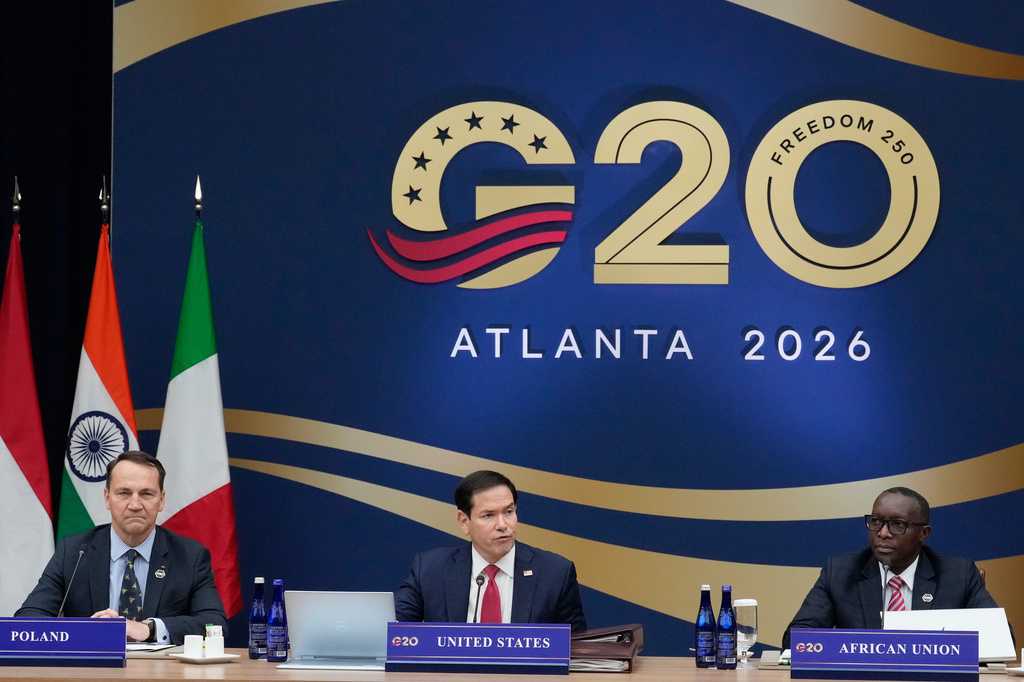
As the sun rose over Atlanta on a warm Friday morning, the air buzzed with anticipation. Delegates from the world’s largest economies gathered for the G20 summit, a pivotal moment for international cooperation and dialogue. Yet, just as the cameras were set to capture the moment, an unexpected wave of objections emerged, leading to the cancellation of the traditional group photo. This unforeseen turn of events highlighted the complexities and tensions that can arise even in the most significant diplomatic settings.
The G20 summit, held in Atlanta, was meant to symbolize unity among nations, a gathering of leaders intent on tackling pressing global issues. However, as discussions commenced, objections regarding Russia's presence overshadowed the proceedings. Diplomats from several countries raised concerns, leading the United States to make the controversial decision to forgo the customary group photograph.
This decision was not taken lightly. The group photo is a long-standing tradition at G20 summits, serving as a visual representation of global collaboration. Yet, in light of ongoing geopolitical tensions, particularly regarding Russia's actions, the atmosphere grew tense. The U.S. delegation, led by Secretary of State Antony Blinken, faced a challenging diplomatic landscape as they navigated the intricacies of international relations.
As the summit unfolded, discussions focused on various critical issues, including climate change, global economic recovery, and public health. However, the backdrop of tension regarding Russia loomed large, affecting the overall tone of the talks and the willingness of delegates to engage fully.
The cancellation of the group photo reverberated beyond the walls of the conference center, sparking discussions among local communities in Cincinnati and beyond. Residents expressed a mix of concern and interest in how international relations shape their daily lives. Many felt that such high-stakes negotiations impact not only global policy but also local economies and community stability.
Local leaders, including members of the Cincinnati Chamber of Commerce, voiced their thoughts on the matter. “What happens at these summits can have real implications for our businesses and families,” said Chamber President Jill Meyer. “We must stay informed and engaged with international developments.”
In coffee shops and community centers across Cincinnati, conversations about the G20 summit flourished. Residents shared their hopes for a more collaborative approach to global issues, emphasizing the importance of dialogue over division. Many expressed a desire for leaders to prioritize unity, especially in challenging times. “We need to remember that at the end of the day, we’re all in this together,” one local resident remarked.
Among those engaged in these discussions were members of the Cincinnati Global Education Network, a local initiative aimed at fostering international understanding. Their spokesperson, Lisa Tran, noted, “Our community is a tapestry of cultures. Events like the G20 remind us that we are part of a larger conversation that transcends borders.” This sentiment resonated throughout local neighborhoods, where immigrant families shared stories of their homelands and expressed hopes for better international relations.
This summit served as a reminder of how interconnected our world has become. Cincinnati, known for its rich history and vibrant communities, has residents from diverse backgrounds who are deeply invested in both local and global affairs. Many families in the area have roots in countries represented at the G20, fostering a unique perspective on international relations.
As discussions around the G20 unfolded, local educators seized the opportunity to engage students in meaningful dialogue about global citizenship. Schools across the region incorporated lessons on diplomacy, encouraging students to think critically about the role of their country in the world. “It’s essential for our youth to understand the importance of these conversations,” said educator Maria Gonzalez. “They are the future leaders who will face these challenges head-on.”
In addition to schools, local nonprofits, such as the Cincinnati World Affairs Council, organized events to discuss the implications of the G20 talks. Their executive director, Mark Adams, stated, “We want to empower our community to understand how global issues affect us locally. The G20 summit is a perfect opportunity to bridge that gap.”
As the summit continued, the question on everyone’s mind was: what’s next? Despite the rocky start, there remains hope that meaningful discussions will emerge from the meetings. Leaders are expected to address pressing issues such as climate action, economic recovery post-pandemic, and healthcare accessibility, all of which resonate deeply with communities like Cincinnati.
In the coming days, the outcomes of the G20 summit will be closely monitored by local leaders and residents alike. The hope is that despite the tensions, the summit can yield positive results that foster cooperation and understanding among nations. “We need to see progress on these issues,” said local activist David Thomas. “Our communities deserve leaders who prioritize collaboration over conflict.”
Local businesses, particularly those in the export sector, are keenly aware of how global agreements and disputes can affect their operations. The Cincinnati Export Council has been actively monitoring the discussions, noting that trade policies resulting from the summit could significantly impact local industries such as manufacturing and agriculture. “We are all interconnected,” said council member Sarah Jenkins. “What happens in international negotiations can directly influence our bottom line.”
As Cincinnatians reflect on the implications of these global talks, the spirit of community remains strong. Many believe that by staying engaged and informed, they can contribute to a more harmonious world. The G20 summit may have faced challenges, but it also presents an opportunity for dialogue and connection, both locally and globally.
For those interested in staying informed about the G20 summit and its outcomes, several local organizations provide resources and updates. The Cincinnati International Airport offers travel information for those looking to engage globally, while the Cincinnati Public Library hosts discussions and events related to international affairs.
Additionally, organizations such as the Cincinnati Chamber of Commerce and the Cincinnati Parks Department provide platforms for community engagement and learning. Local universities, including the University of Cincinnati, offer programs focused on global studies, encouraging students to explore international relations.
As the G20 summit continues, Cincinnatians are encouraged to participate in local discussions, attend events, and stay connected with global developments. By fostering a culture of engagement, our community can contribute to a brighter future for all.
By Evan Fields

By Julia Thompson

By Julia Thompson

By Julia Thompson