
Community
Weather changes for Cincinnati on Friday
By Evan Fields
Advertisement · Why this ad?
Julia is a Cincinnati native with a strong passion for local issues, having spent the last three years writing for Cincinnati Magazine. She studied Journalism at the University of Cincinnati and focuses on neighborhood stories that inspire community engagement and action.
More from Julia →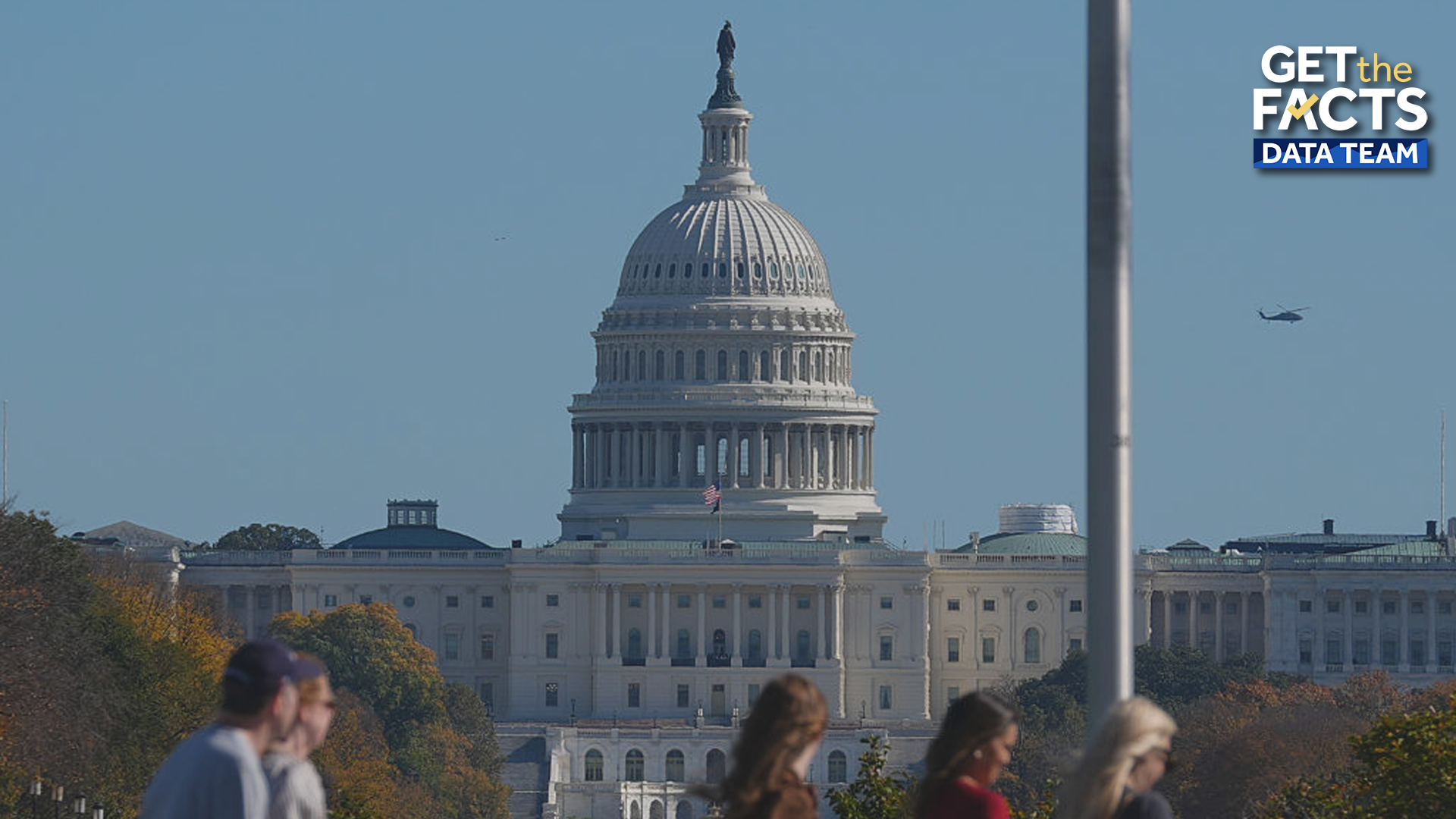
The evening was electric in Cincinnati, as families gathered around their screens, eyes glued to the results pouring in from across the nation. Among them was Sarah Jenkins, a lifelong resident and mother of three, who paused her busy evening to watch her phone, heart pounding, as her state’s Senate race hovered within a razor-thin margin. It was a moment that encapsulated the high stakes and shifting tides of the 2026 midterm elections, a political landscape that has seen dramatic changes and renewed hope for many in our community.
In a historic turn, Democrats secured control of both chambers of Congress and a majority of governorships nationwide, marking a significant shift from recent years. As of Thursday evening, the Democrats held 54 seats in the U.S. Senate and 251 in the House of Representatives, giving them a solid majority in both houses. This was a stark contrast to the previous midterm cycle, where control was more divided and often contested fiercely.
Their victories extended beyond Congress, flipping five gubernatorial races and establishing a Democratic majority in state governorships for the first time since 2010. These victories included states like Texas, Kansas, and South Carolina—places that had not elected Democratic senators in decades. The Cook Political Report rated 12 gubernatorial races as competitive, with Democrats flipping five, a testament to the shifting political landscape that is reshaping local and national policies alike.
For Cincinnati and Ohio, these results carry particular significance. Ohio’s political landscape has been a battleground for decades, often serving as a bellwether for national trends. The state’s recent gubernatorial race saw a Democratic candidate secure victory after years of Republican dominance, signaling a possible shift in voter sentiment that could influence local policy decisions on issues like infrastructure, education funding, and healthcare access.
Redistricting played a pivotal role in this electoral outcome. Both parties targeted specific districts, with Democrats gaining six House seats through strategic redrawing of district boundaries, especially in California and Utah. Conversely, Republicans managed to flip only two seats despite significant efforts. This redistricting process, often contentious, has redefined political battlegrounds, making some districts more competitive than ever before. It’s a reminder that the lines on the map are not just lines—they are the battlegrounds for our collective future.
In Cincinnati and Hamilton County, local redistricting efforts were closely watched. The city’s districts were redrawn to better reflect demographic shifts and urban growth, which many community leaders believe will lead to more representative governance. Local activists, like members of the Cincinnati League of Women Voters, worked tirelessly to educate voters about how redistricting could influence their representation and to encourage participation in the process. The outcome has energized many residents, who see redistricting as an opportunity to make their voices heard more effectively.
While the overall results leaned towards Democratic control, several races remained incredibly tight, capturing the nation’s attention. In Mississippi, Democratic Senate candidate Scott Colom led Republican Cindy Hyde-Smith by just 65 votes, a margin so slim it underscored the importance of every single vote. Similarly, in Alaska, Democrat Mary Peltola was ahead of incumbent Dan Sullivan by just over 600 votes, with only 74% of ballots counted.
In Kansas, the governor’s race was within a margin of 0.6%, demonstrating how every vote truly matters in shaping leadership. Across the country, 14 House races were within 1% of each other, highlighting the intense competition that defined this midterm cycle. These close contests reflect a deeply divided electorate, yet also a community increasingly engaged in shaping its destiny.
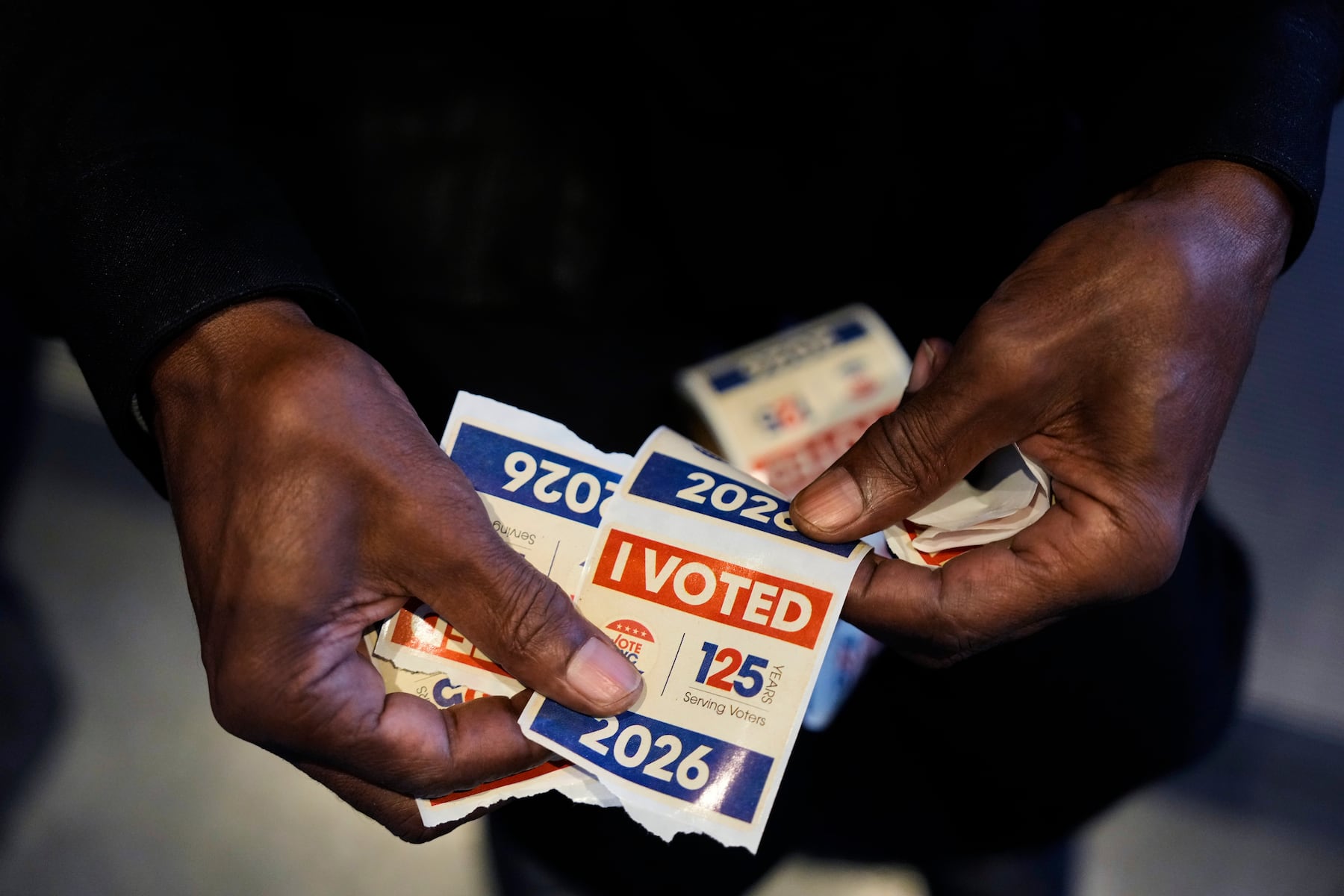
Locally, Cincinnati’s voting precincts saw record turnout in some neighborhoods, especially among young voters and minority communities. Organizations like the Cincinnati NAACP and local churches hosted voter registration drives and community forums, emphasizing the importance of civic participation. Many residents expressed a renewed sense of empowerment, inspired by the national shifts and motivated by local issues like public transportation, affordable housing, and education reform.
Despite the excitement, voter turnout in 2026 was somewhat subdued compared to recent midterms. Approximately 124 million Americans cast ballots, an increase from 112 million in 2022 and 118.6 million in 2018. However, the turnout rate was around 63%, falling short of the 69% in 2022 and 79% in 2018. This suggests that while more people voted than before, a sizable portion of voters still sat out the election, raising questions about engagement and outreach efforts.
In Cincinnati and surrounding communities, the increase in voter registration—up from 153 million in 2018 to 196 million in 2026—indicates a growing awareness and desire to participate. Local organizations and churches, which often emphasize the importance of faith and family in civic life, played a role in mobilizing voters. As Sarah Jenkins noted, “Every voice counts, especially when it comes to protecting the values we hold dear—family, faith, and community stability.”
Experts suggest that the slightly lower turnout rate compared to previous cycles may be due to a variety of factors, including voter fatigue after intense political debates, lingering concerns about election security, and the ongoing efforts to make voting more accessible. Cincinnati’s election officials worked to improve voting access by extending early voting hours and providing multilingual assistance at polling stations, efforts that contributed to the increased registration and participation.
The 2026 midterm results are more than just numbers—they are a reflection of our community’s hopes, fears, and aspirations. With Democrats now holding a majority in Congress, Cincinnati residents can anticipate legislative priorities that focus on economic growth, education, and healthcare—issues that directly impact families and small businesses. This shift could bring policies that support strong marriages, protect religious freedoms, and foster community development.
Local leaders are already preparing for the next phase of policy implementation. Cincinnati Mayor Aftab Pureval emphasized the importance of collaboration, stating, “We need to work together across party lines to ensure that the voices of our residents are heard and that our city benefits from the new national direction.” The city council has scheduled forums to discuss how federal policies could influence local initiatives, particularly in affordable housing and public safety.
Looking ahead, the next few years will be critical. Local leaders, faith-based groups, and families will need to stay engaged and advocate for policies that uphold our shared values. As we celebrate the American dream of stability and opportunity, it’s important to remember that real change begins with committed individuals who believe in the power of community and faith to transform lives.
Community organizations like Cincinnati’s United Way and the Greater Cincinnati Foundation are planning to expand civic education programs, aiming to boost voter turnout among youth and underserved populations. These efforts are vital as they help sustain the momentum gained during this election cycle and ensure that diverse voices continue to shape Cincinnati’s future.
As Cincinnati continues to grow and evolve, the lessons from this election remind us that every vote, every voice, and every effort counts. The future belongs to those who stay involved, nurture their families, and hold fast to the principles that build strong communities rooted in faith and commitment. Together, we can shape a brighter tomorrow for our children and generations to come.
By Evan Fields
By Michelle Rivera

By Michelle Rivera
By Sofia Patel